13 Jun 2026
Algorithmic Webs Linking Signup Triggers to Extended Tournament Qualifications Across Integrated Gaming Platforms
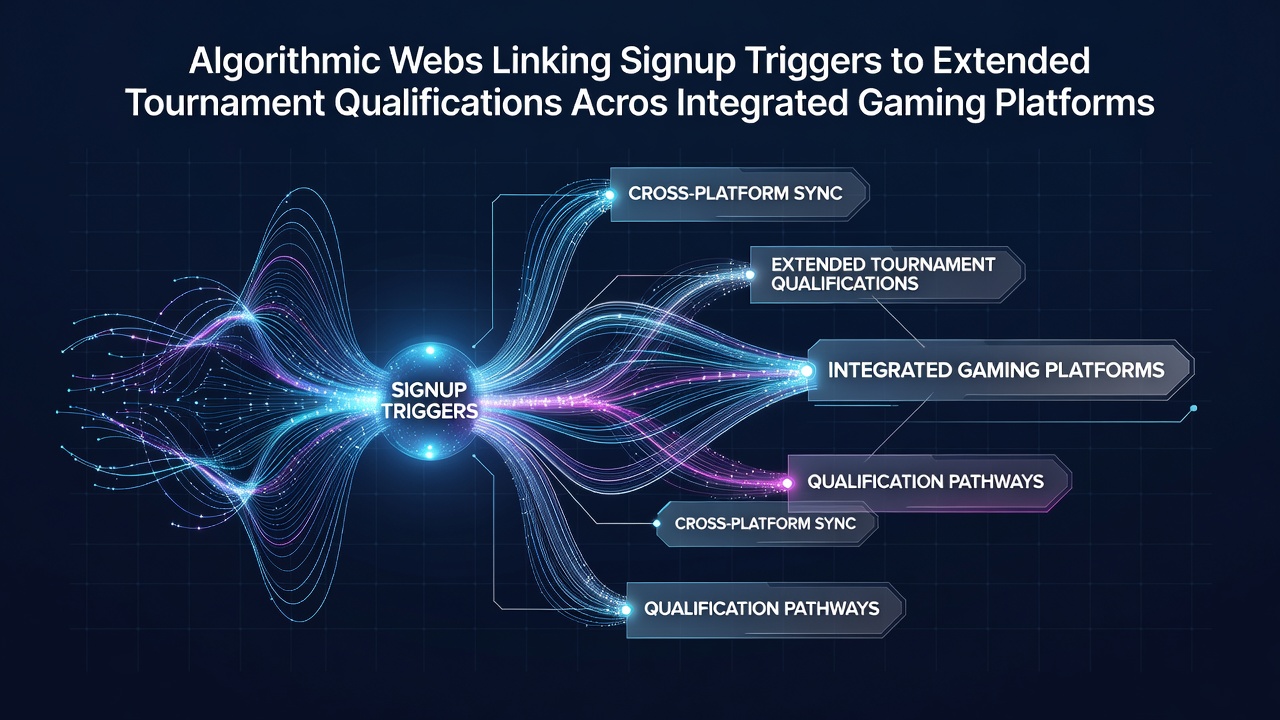
Integrated gaming platforms now deploy sophisticated algorithmic systems that connect initial user registrations directly to extended qualification pathways for competitive tournaments, and these webs operate across multiple formats including esports, virtual card rooms, and multiplayer environments. Data from industry reports indicate that signup triggers activate progressive tracking modules which monitor activity streaks and feed them into qualification algorithms, allowing new accounts to unlock longer tournament entries without separate registration steps on linked platforms.
Mechanics of Signup-Triggered Qualification Systems
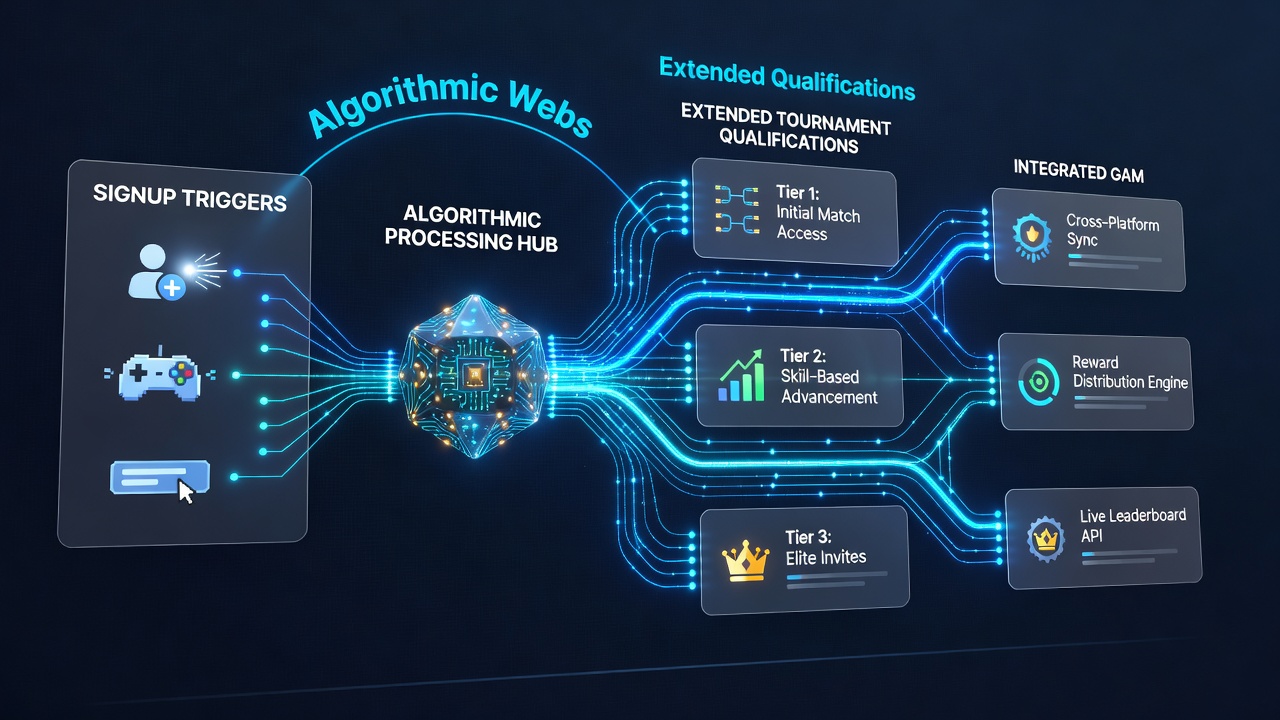
Platforms initiate the process when a user completes registration on one interface, at which point backend algorithms assign unique identifiers that synchronize with partner systems, and this synchronization extends qualification windows for tournaments by incorporating data from the initial signup such as verification timestamps and preferred game categories. Researchers at academic institutions have documented how these identifiers create persistent links that carry forward eligibility metrics, turning a single registration event into access across several tournament tiers that would otherwise require independent entries.
Activity thresholds serve as the next layer, where algorithms evaluate login frequency, session duration, and early engagement patterns to determine extensions, while cross-references with platform databases ensure that qualifications remain valid only when accounts maintain compliance with regional licensing requirements. Observers note that such mechanisms reduce redundant onboarding for players who move between integrated environments, yet they also demand precise data handling to avoid eligibility mismatches during peak tournament seasons.
Cross-Platform Integration Patterns Observed in 2026
By June 2026, several major operators had expanded these webs to encompass virtual sports simulators alongside traditional card-based contests, and integration occurs through shared application programming interfaces that push qualification status updates in real time. A player who signs up on a mobile sports prediction module, for instance, automatically receives eligibility markers that transfer to desktop tournament lobbies, extending the window for entry into multi-week competitions without additional verification hurdles.
Studies conducted by European research consortia reveal that these transfers rely on encrypted token exchanges which preserve user anonymity while confirming activity continuity, and the same tokens often link achievements from athletic event wagers to privileges in casino-style table environments. What's interesting is how regional variations influence the depth of these connections, with North American platforms emphasizing rapid qualification ramps for seasonal events whereas Asia-Pacific systems prioritize longer accumulation periods tied to loyalty metrics.
Role of Algorithmic Triggers in Tournament Access
Signup triggers function through rule-based decision trees that evaluate demographic inputs and device fingerprints against stored qualification matrices, and when conditions align the system appends extended entry rights to the account profile. This process operates silently in the background, feeding results into centralized dashboards that tournament organizers consult when finalizing participant lists across integrated sites. Evidence from industry analyses shows that such automation has increased participation rates in extended formats by streamlining what once involved manual applications on each platform.
Those who have examined these systems point out that the algorithms also incorporate decay functions, meaning qualification extensions diminish if activity falls below certain thresholds, and this encourages sustained engagement while preventing dormant accounts from occupying tournament slots indefinitely. In practice, a user who registers during a promotional window might see their qualification window stretch from days to weeks across multiple game types, provided the initial triggers remain satisfied.
Regulatory and Technical Considerations Across Regions
Regulatory bodies in Canada and Australia require operators to maintain transparent logs of how algorithmic decisions affect tournament eligibility, and compliance audits verify that signup data does not inadvertently favor or exclude participants based on protected characteristics. Canadian Gaming Association guidelines emphasize audit trails that document every extension granted through these webs, ensuring accountability when disputes arise over qualification denials. Similar frameworks appear in Australian oversight documents, where emphasis falls on consumer protection during cross-platform data flows.
Technical standards continue to evolve, with platforms adopting newer encryption protocols to secure the links between registration events and qualification outcomes, and this reduces risks associated with data breaches that could compromise tournament integrity. University-led investigations into similar architectures have highlighted the balance between seamless user experiences and the need for verifiable audit capabilities.
Future Trajectories for Algorithmic Qualification Webs
Expansion into additional formats appears likely as operators seek to consolidate user bases across entertainment verticals, and early indicators from mid-2026 deployments suggest that qualification extensions will grow more granular, factoring in elements like community contributions or skill demonstrations captured during initial sessions. These developments rest on continued refinement of the underlying decision trees that connect signup moments to sustained tournament access.
Coordination between different regulatory jurisdictions remains a key variable, particularly when platforms operate globally and must reconcile varying rules on data portability and eligibility tracking. The architecture already supports incremental updates that incorporate new tournament types without requiring full system overhauls, allowing operators to respond to emerging competitive formats efficiently.
Conclusion
Algorithmic webs that tie signup triggers to extended tournament qualifications represent a structural shift in how integrated gaming platforms manage player progression and access, and the systems continue to mature through technical improvements and regulatory alignment. Data collected through these frameworks informs both operational decisions and broader industry understanding of participation dynamics across regions. As platforms refine these connections through 2026 and beyond, the emphasis stays on maintaining verifiable pathways that support fair and transparent tournament ecosystems.