19 May 2026
Charting Interconnected Reward Ecosystems Across Virtual Sports, Table Games, and Card Tables
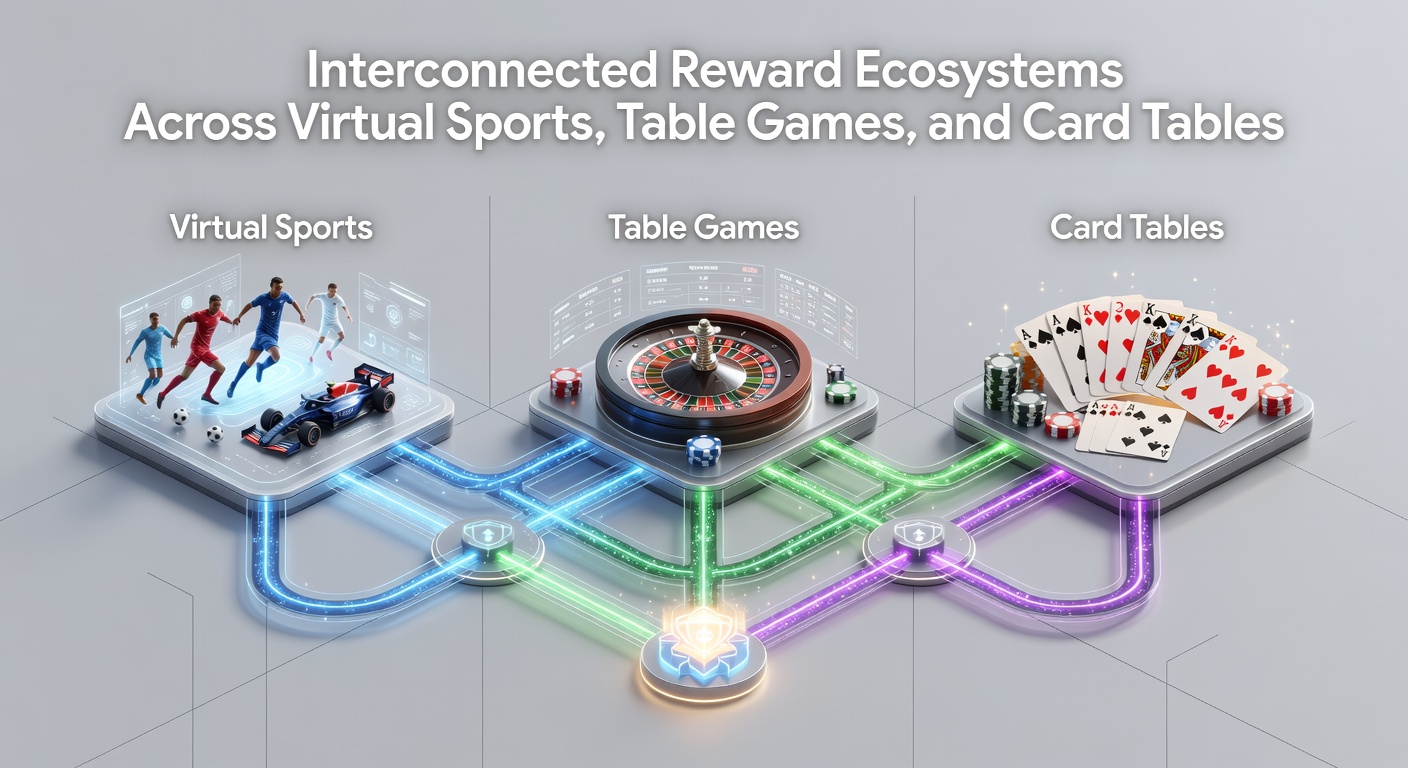
Virtual sports platforms, table game environments, and card tables now operate within shared reward structures where points earned in one category transfer directly into bonuses usable elsewhere, creating measurable pathways that operators track through centralized loyalty ledgers.
Virtual Sports as Entry Points
Operators route new users through virtual sports simulations first because these formats generate rapid play cycles and quick data points on betting volume, allowing reward systems to seed accounts with starter credits that convert into table game credits or card room entries without additional deposits. Data compiled by the Alcohol and Gaming Commission of Ontario shows virtual sports handle increased 14 percent year over year through early 2026, with a notable portion of that activity feeding directly into cross-category redemptions tracked by the same backend systems.
Players accumulate multipliers on virtual soccer or racing outcomes that then apply to blackjack or roulette sessions, and the same ledgers record how those multipliers influence poker tournament buy-ins when users shift categories within a single session.
Table Games and Point Portability
Table game rewards function as central hubs because roulette, blackjack, and baccarat generate consistent house-edge data that platforms convert into loyalty tiers, and those tiers unlock perks across virtual sports leaderboards or card table sit-and-gos. Research from the University of Nevada, Las Vegas International Gaming Institute indicates that 62 percent of table game players in regulated markets also maintain active virtual sports profiles, with reward redemptions occurring within 48 hours of initial accumulation in most documented cases.
Operators design these connections so that a high-roller table session completed on a Tuesday evening automatically populates a virtual basketball parlay boost available the following morning, and the same account flags carry over to card tables where freeroll eligibility expands based on combined volume rather than isolated category totals.
Card Tables as Integration Layers
Card tables close the ecosystem loop because poker and other card variants reward skill-based performance metrics that platforms blend with volume-based points from virtual sports and table games, producing hybrid leaderboards visible across all three environments. Figures released by the Australian Communications and Media Authority for the first quarter of 2026 reveal that multi-category accounts now represent 41 percent of total active users in licensed markets, with card table activity serving as the final redemption stage for many accumulated bonuses.
Users who complete virtual sports challenges often receive tournament tickets that double as entry into mixed cash-game pools, while table game comps convert into rake-back percentages that apply only after the player logs a minimum number of hands at card tables within the same week.
Tracking Mechanisms in May 2026
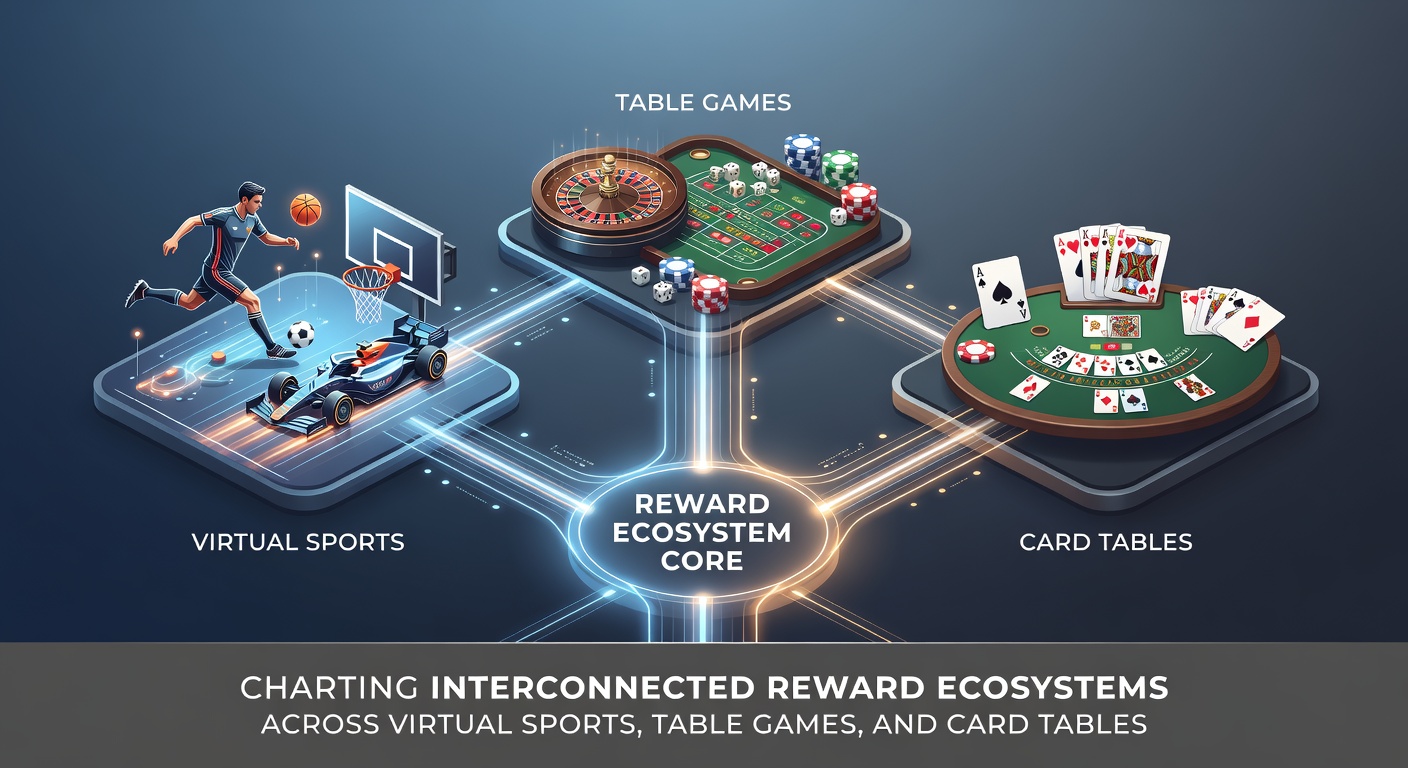
Platform dashboards updated in May 2026 display real-time interconnections through unified progress bars that update simultaneously when a user switches from virtual horse racing to live dealer baccarat or from there to a Texas Hold'em sit-and-go, and these interfaces reduce friction by surfacing eligible redemptions without requiring separate logins. Industry reports compiled by the European Gaming and Betting Association document that operators deploying these unified trackers observed a 19 percent rise in session length across connected categories compared with siloed reward programs still in use at some smaller sites.
The technical backbone relies on API calls that push loyalty adjustments between servers within seconds, allowing a virtual sports win to adjust a player's table game comp level before the next spin occurs and before any manual claim process begins.
Regional Patterns and Data Flows
North American markets show stronger linkage between virtual sports and card tables because regulatory frameworks permit faster point portability, whereas European operators emphasize table game to virtual sports pathways to comply with stricter session-time limits, yet both regions record identical backend metrics when measuring cross-category redemption rates. Observers note that May 2026 updates introduced standardized export formats for loyalty histories, enabling users to export reward summaries that detail exactly how many virtual sports points converted into table game free plays and how many of those plays later funded card table entries.
These standardized exports now feed into third-party analytics tools used by operators to refine bonus structures without altering the core interconnection logic already embedded in player accounts.
Conclusion
The mapping of these reward ecosystems reveals consistent patterns where virtual sports initiate engagement, table games consolidate volume, and card tables finalize redemption across multiple jurisdictions. Operators continue to refine the underlying ledgers to maintain parity between categories while complying with regional rules that govern point expiration and transfer limits. Data collected through May 2026 confirms that users who engage all three environments within a single account cycle generate higher overall handle than those restricted to one category, and the technical infrastructure supporting these flows shows no signs of fragmentation in current deployments.