23 May 2026
Device Sync Patterns That Reshape Introductory Incentives Across Gaming Formats
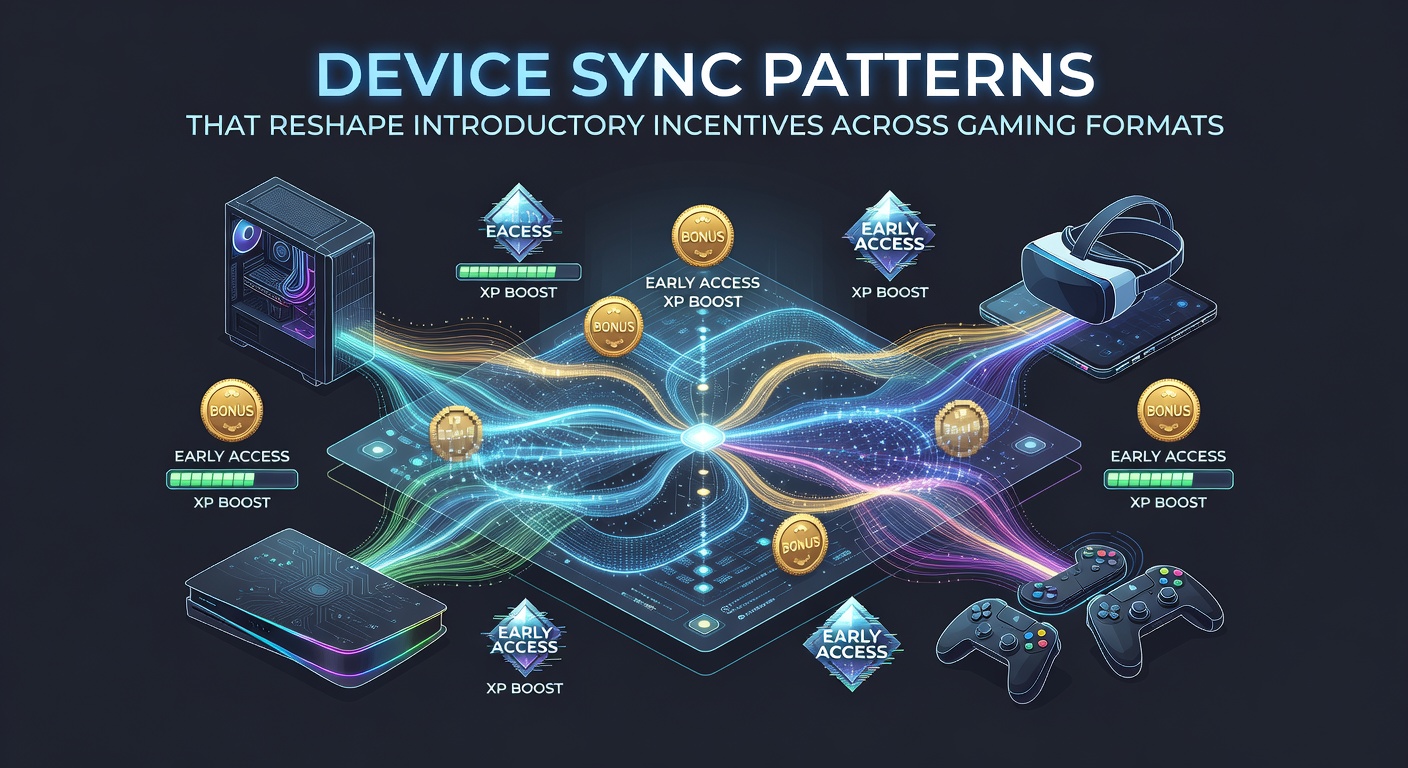
Device synchronization has emerged as a central mechanism that alters how introductory incentives function in digital gaming environments and patterns of account activity now determine eligibility for welcome bonuses free bets and deposit matches across multiple formats. Operators track user sessions through unified profiles that link mobile desktop and tablet access so that activity on one device directly influences reward structures on others and this integration creates layered incentive systems that adjust in real time based on detected device patterns.
Unified Account Tracking and Bonus Eligibility
Platforms maintain centralized databases that record device usage sequences and researchers have documented how these records affect introductory offers in ways that differ from single-device models. A user who begins registration on a mobile device and completes verification on desktop often encounters adjusted bonus terms because the system registers the transition as a sync event rather than separate actions and data from May 2026 indicates that such patterns now trigger conditional multipliers or extended validity periods in several regulated markets.
Those who study platform architectures note that synchronization protocols pull information from device identifiers operating systems and login timestamps to build behavioral profiles. These profiles then feed into algorithms that calculate incentive values and the result is that introductory rewards become dynamic rather than fixed with mobile-first sequences frequently unlocking higher deposit match percentages while desktop-initiated paths may route users toward free bet credits instead.
Cross-Format Incentive Adjustments
Gaming operators apply sync data to link incentives between sportsbooks casinos and poker rooms so that a deposit made through a synced mobile session can unlock parallel access to table game spins or tournament entries. Studies from regulatory bodies show that this interconnection reduces fragmentation in user journeys and increases the likelihood that players engage with multiple verticals within the same ecosystem and figures from North American markets reveal consistent growth in multi-format redemptions following sync implementation.
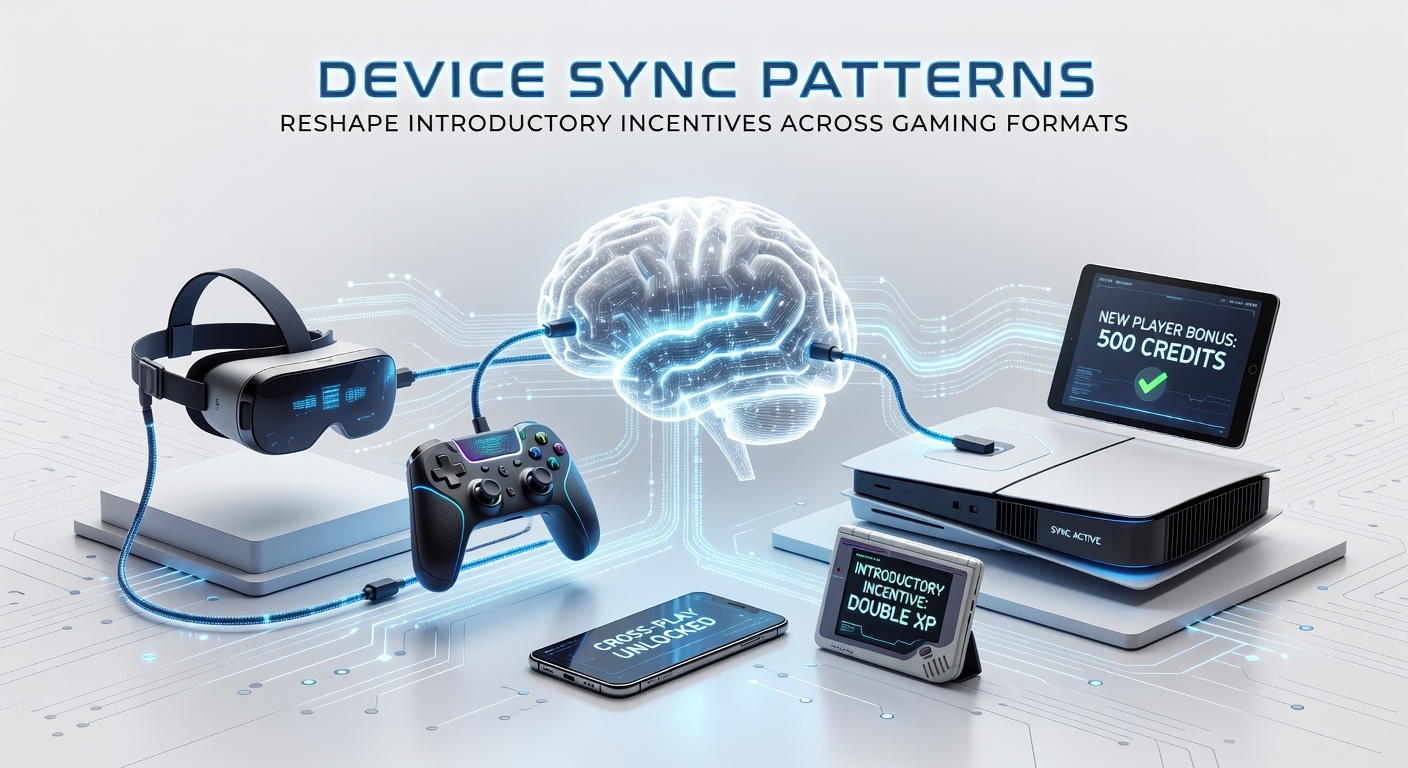
Observers have tracked how tablet sessions positioned between mobile and desktop activity create bridging events that operators reward with hybrid bonuses unavailable to single-device users. In practice this means a player who deposits via mobile then reviews odds on tablet and finalizes a poker entry on desktop receives compounded introductory credits because the system interprets the sequence as deliberate cross-device engagement rather than isolated actions.
Regional Implementation Patterns
Markets in different jurisdictions demonstrate varied approaches to device sync mechanics with Australian operators emphasizing seamless mobile-to-desktop transitions that extend bonus expiration windows while Canadian platforms focus on tablet integration for live dealer incentives. According to reports from iGaming Ontario synchronization requirements have led to measurable shifts in how no-deposit offers are distributed and players who maintain consistent device patterns across sessions qualify for repeated access tiers that single-device accounts do not receive.
European frameworks outside the United Kingdom apply similar logic through data protection standards that still permit device fingerprinting for bonus calculation purposes and academic analyses from university research groups indicate that these practices produce distinct incentive landscapes depending on the primary device sequence recorded at registration. The pattern holds that introductory offers become more personalized when operators possess complete sync histories yet remain subject to regional caps on total reward values.
Data Trends Observed in 2026
Industry reports compiled through May 2026 document rising adoption of multi-device verification protocols and statistics indicate that over sixty percent of new accounts now exhibit at least one sync event within the first forty-eight hours of registration. This trend correlates with expanded introductory incentive structures that reward verified cross-device behavior through tiered match percentages or additional free spin allocations and the data further shows reduced bonus abandonment rates when users complete actions across multiple formats via synced profiles.
Analysts at the New Jersey Division of Gaming Enforcement have published findings that link device synchronization frequency to higher lifetime engagement metrics within regulated sportsbooks and casinos. Their figures reveal that accounts demonstrating regular tablet and mobile handoffs during the introductory period convert to active multi-vertical participants at rates exceeding those of desktop-dominant registrations and operators respond by calibrating welcome packages to favor these observed patterns.
Conclusion
Device sync patterns continue to redefine how introductory incentives operate across gaming formats by converting isolated user actions into interconnected sequences that operators monitor and reward. The mechanisms rely on centralized tracking that adjusts bonus eligibility in response to device transitions and regional data from 2026 confirms ongoing expansion of these systems. As synchronization protocols mature they produce measurable effects on reward distribution while remaining bounded by local regulatory frameworks that govern incentive structures and player eligibility criteria.