26 May 2026
Patterns in Loyalty Program Transfers Between Sports Wagering Platforms and Virtual Card Game Lobbies
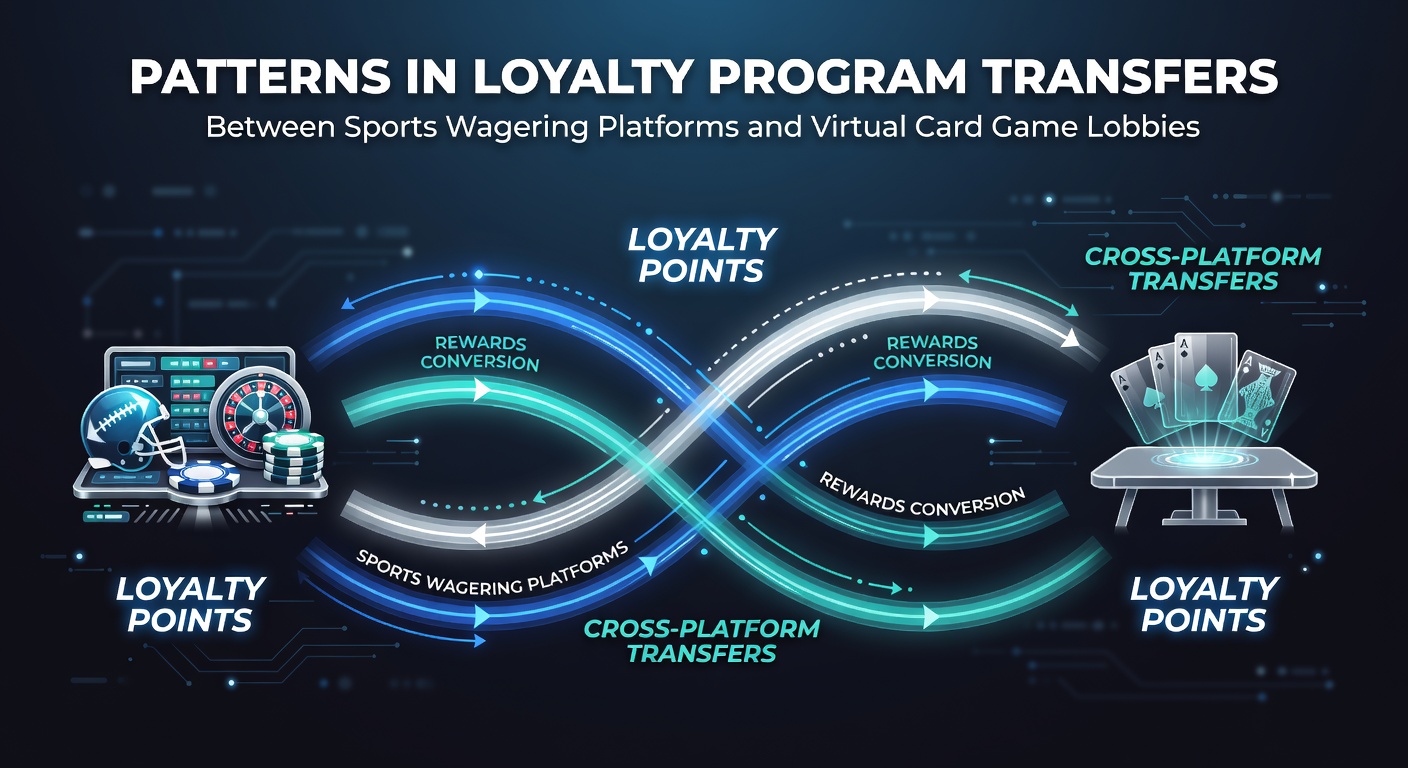
Operators across digital gaming sectors have developed systems that allow loyalty points earned through sports wagering to move into virtual card game environments, and data collected through May 2026 shows consistent directional flows in how these transfers occur. Users accumulate rewards on sports platforms during live events and then shift portions of those balances toward card lobbies where different redemption structures apply, while the reverse movement from card tables back to sportsbooks appears less frequent according to aggregated platform metrics.
Mechanics Behind Cross-Platform Transfers
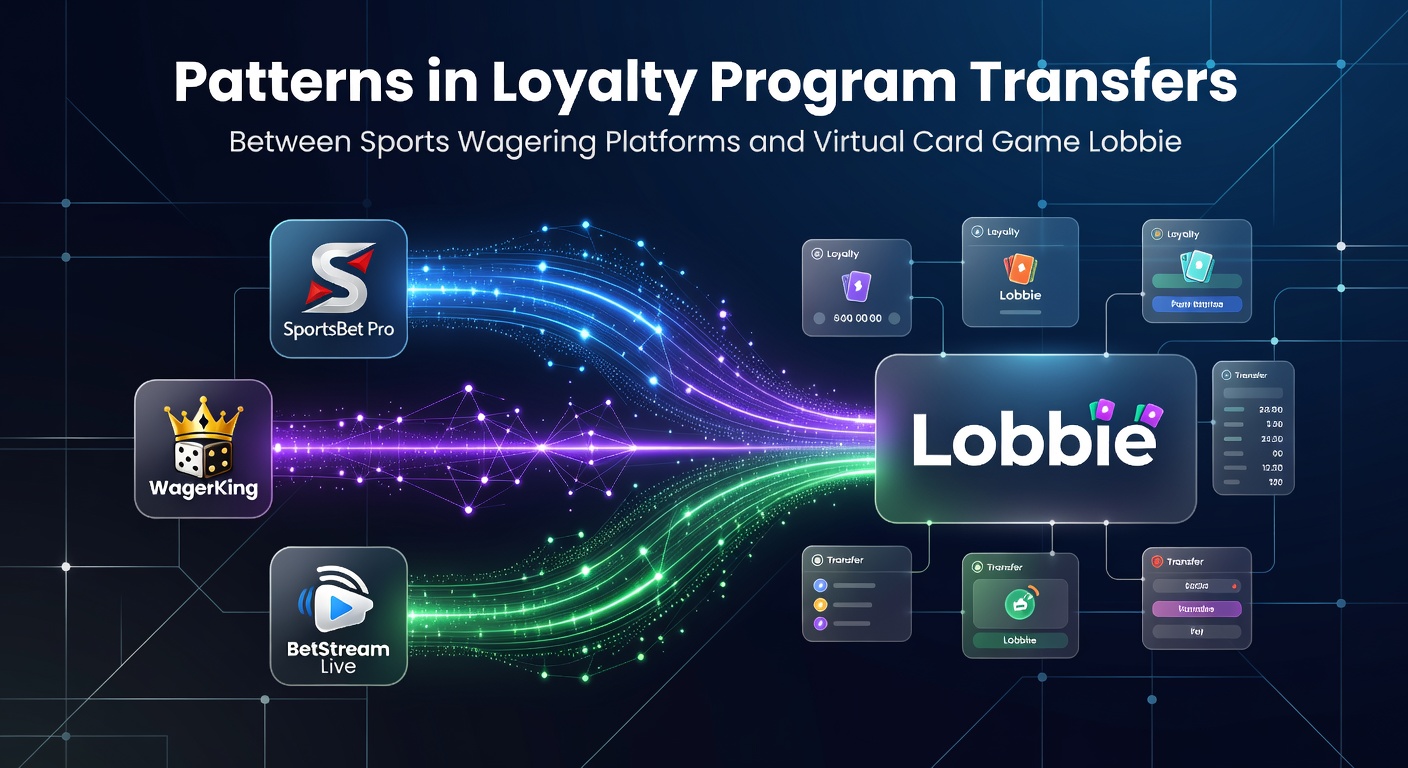
Many integrated operators maintain unified loyalty ledgers that convert sports betting activity such as parlay completions or live bet volumes into transferable credits usable in poker or blackjack rooms, and these conversions follow fixed ratios documented in platform terms updated as recently as early 2026. Transfer requests typically route through a central account dashboard where users select the destination lobby, triggering an automated validation that checks wagering history thresholds before approving the move, yet some networks impose cooldown periods of 24 to 72 hours to prevent rapid cycling between formats.
Platform APIs handle the actual point migration in real time for most major operators, and researchers tracking transaction logs note that peak transfer volumes align with major sports calendar events when sports betting rewards surge. Card game lobbies in turn generate loyalty through hand volume or tournament entries that can sometimes loop back, although the volume of such reverse transfers remains smaller in published industry summaries.
Behavioral Trends Documented in 2026
Analysis of user sessions through the first quarter of 2026 and continuing into May reveals that participants who transfer at least 30 percent of accumulated sports rewards into card platforms tend to maintain longer overall engagement across both verticals. Those who move smaller increments more frequently demonstrate steadier activity patterns without large spikes, while one-time large transfers often precede periods of reduced sports wagering followed by renewed card play.
Geographic clusters show distinct habits: North American accounts registered with multi-state operators complete transfers at higher rates during evening hours, whereas European users linked to operators regulated under frameworks like those overseen by the Malta Gaming Authority exhibit steadier daytime movements tied to tournament schedules. Australian accounts monitored through national self-exclusion databases display lower transfer completion rates overall, possibly reflecting stricter responsible gaming overlays applied at the operator level.
Regulatory and Technological Factors Shaping Flows
State-level rules in the United States, including reporting requirements maintained by bodies such as the Nevada Gaming Control Board, require operators to log all cross-vertical point movements for audit purposes, and similar obligations exist under Canadian provincial frameworks. These mandates have encouraged standardized data fields that make pattern detection easier for compliance teams, yet they also create friction when users attempt transfers across jurisdictions with mismatched reporting calendars.
Technical integrations rely on shared wallet architectures that reduce latency during point conversion, and industry reports from the Canadian Gaming Association indicate that operators investing in unified ledgers saw transfer success rates climb above 85 percent by spring 2026. Legacy systems still operating separate sports and card databases experience higher abandonment rates at the confirmation step, prompting several major platforms to complete migration projects ahead of summer tournament seasons.
Impact on Reward Structures and User Retention
Operators adjust bonus multipliers based on observed transfer directionality, often boosting sports-to-card conversion incentives during high-profile events such as championship series or major poker festivals. Retention data compiled through mid-2026 shows that accounts utilizing transfers at least twice per month record higher lifetime values than single-vertical users, although exact figures vary by operator size and market maturity.
Card-focused lobbies have begun offering targeted reloads that accept incoming sports points at favorable exchange rates, while sportsbooks counter with deposit-match offers that require recent card lobby activity as a qualifier. These layered promotions create feedback loops where points move in predictable waves tied to promotional calendars rather than purely organic user preference.
Conclusion
Transfer patterns between sports wagering platforms and virtual card game lobbies continue to evolve under combined pressure from regulatory reporting, technical upgrades, and promotional design choices. Data through May 2026 demonstrates clear directional preferences and timing correlations that operators monitor closely to refine their loyalty ecosystems. As more jurisdictions finalize integrated licensing rules, the infrastructure supporting these movements is expected to standardize further while preserving the behavioral signals already visible in current transaction volumes.