Referral Networks Powering Free Play Credit Distribution in Unified Gaming Platforms
Morgan Walter · Aug 25, 2026
Referral Networks Powering Free Play Credit Distribution in Unified Gaming Platforms
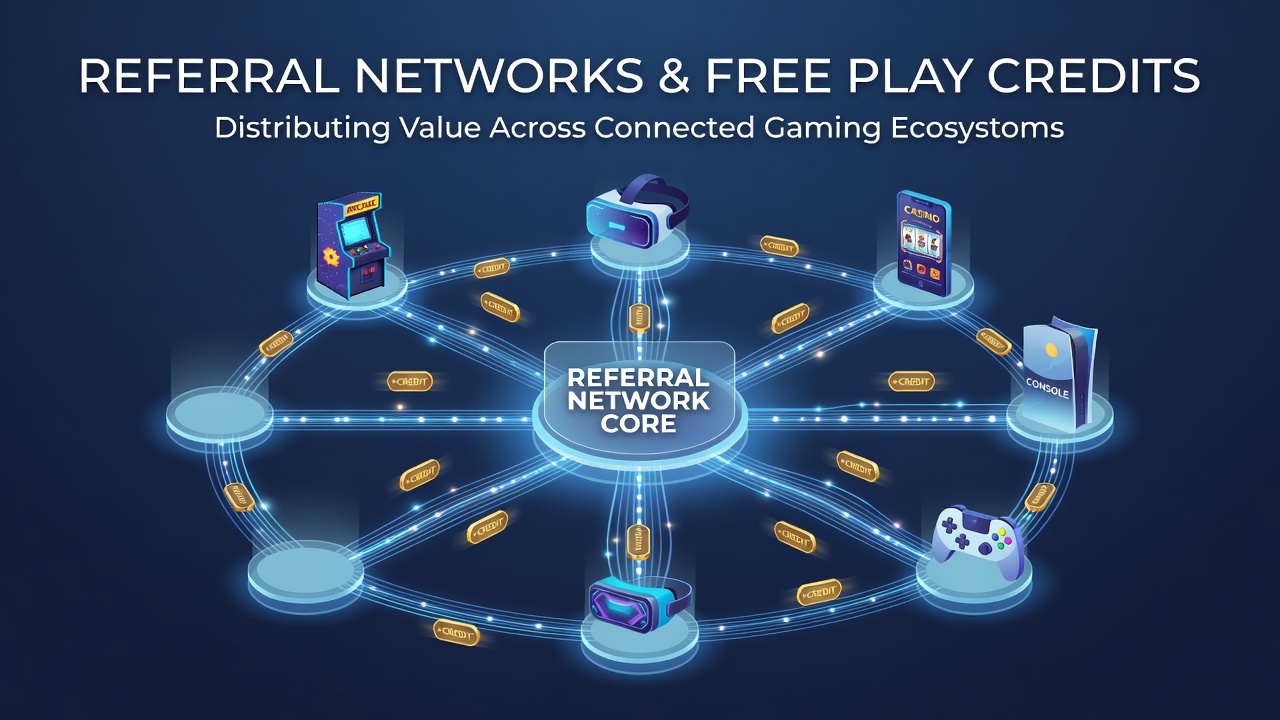
Referral networks operate as structured systems that connect multiple gaming platforms and enable the transfer of free play credits based on user activity and recruitment patterns. These networks function through partnerships where one platform rewards participants for bringing new users while simultaneously allowing credits to move across sportsbooks, casinos, and poker rooms within the same ecosystem. Data from industry reports indicate that such arrangements have expanded in 2026 as operators seek to maintain engagement across device types and game formats.
Core Mechanics of Referral Credit Systems
Referral programs track user sign-ups through unique codes or links, then allocate free play credits once the referred player completes qualifying actions such as deposits or wagers. In connected environments operators synchronize these credits so that activity on a sportsbook can unlock rewards usable in casino slots or poker tournaments. Observers note that platforms achieve this through shared databases and API integrations that update balances in real time across participating sites. Research indicates that credit values often scale with the referred player's lifetime activity rather than a single transaction.
Cross-Platform Credit Movement Patterns
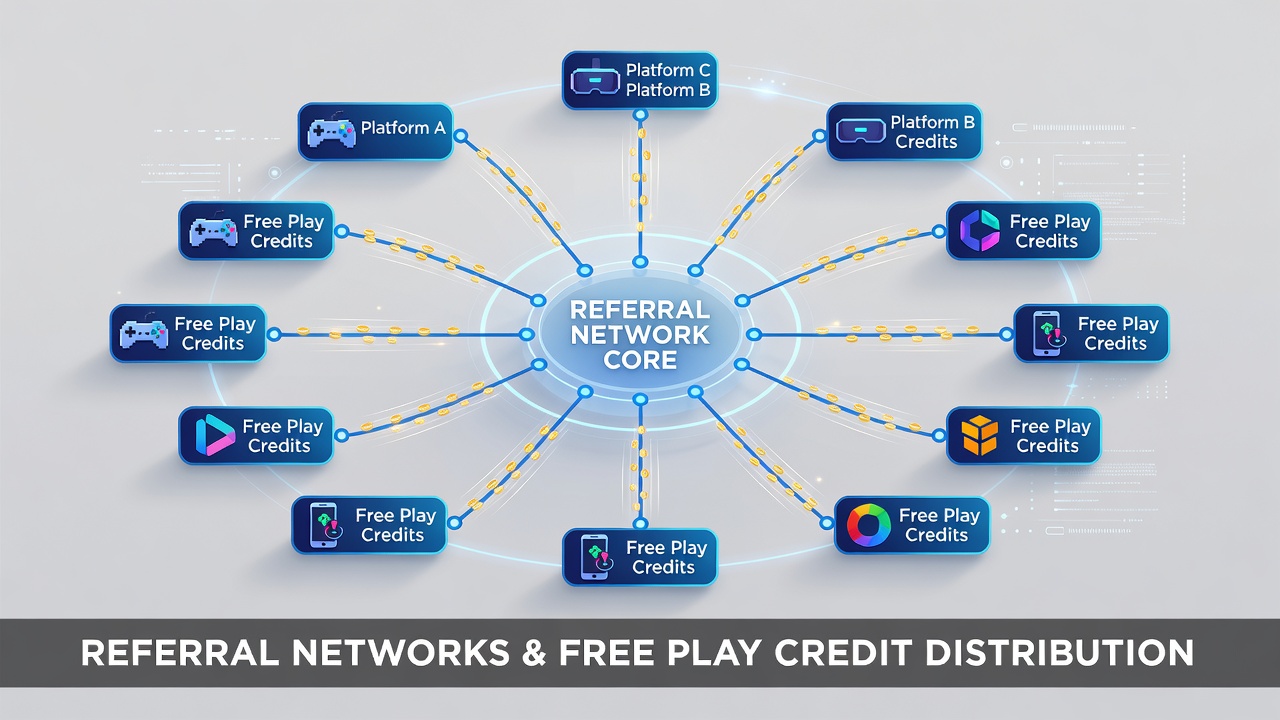
Connected gaming platforms use referral networks to route credits between verticals, allowing a user who signs up via a sports betting referral to receive credits valid for table games or virtual sports wagers. Figures from the European Gaming and Betting Association reveal that integrated operators reported higher retention rates when credits could transfer without additional verification steps. This process relies on centralized player accounts that recognize activity across all linked platforms and adjust credit balances accordingly.
Operators implement tiered referral structures where initial credits unlock further bonuses after milestones such as a set number of referred players or accumulated wagers. In August 2026 several major networks adjusted their rules to cap transferable credits per month while expanding eligibility windows for multi-platform use. These adjustments reflect ongoing efforts to balance player incentives with regulatory requirements in multiple jurisdictions.
Technical Infrastructure Supporting Distribution
Backend systems employ blockchain-based ledgers or secure cloud databases to log referral events and credit redemptions across platforms. This infrastructure prevents duplicate claims and ensures credits remain valid only within approved partner environments. Industry analyses show that platforms utilizing real-time synchronization experience fewer disputes over credit validity compared with older batch-processing methods.
Security protocols include encryption of referral links and multi-factor authentication for credit redemption. When a player attempts to use transferred credits on a secondary platform the system verifies the original referral source and confirms the credit has not exceeded usage limits. Reports from regulatory bodies in various regions confirm that these measures align with data protection standards while supporting seamless cross-platform functionality.
Regional Variations in Network Implementation
Different markets apply distinct rules to referral credit distribution. In certain Canadian provinces operators must disclose all credit transfer pathways to players before activation. Australian regulatory frameworks require clear separation between referral bonuses and deposit-based promotions to maintain transparency. Data collected through 2026 indicates that networks operating across borders adapt their credit expiration policies to comply with the strictest applicable rules in each jurisdiction.
Player Participation and Credit Utilization Trends
Analytics from connected platforms demonstrate that referred players tend to explore multiple game types when credits transfer easily between formats. Participation rates increase when networks allow partial credit redemptions rather than requiring full use on a single platform. Studies conducted by research institutions tracking online gambling behavior show measurable differences in session length and game variety when referral credits span sports, casino, and poker offerings.
Conclusion
Referral networks continue to shape how free play credits circulate among linked gaming platforms through technical integrations and policy adjustments. Their role in credit distribution depends on synchronized systems, regional compliance measures, and player activity tracking that together determine where and when credits become available. As platforms refine these connections in 2026 and beyond the mechanisms for sharing rewards across verticals remain central to operational strategies.