11 Jul 2026
Tracing Incentive Migrations from Athletic Wagers to Card Game Tournaments via Integrated Loyalty Mechanisms

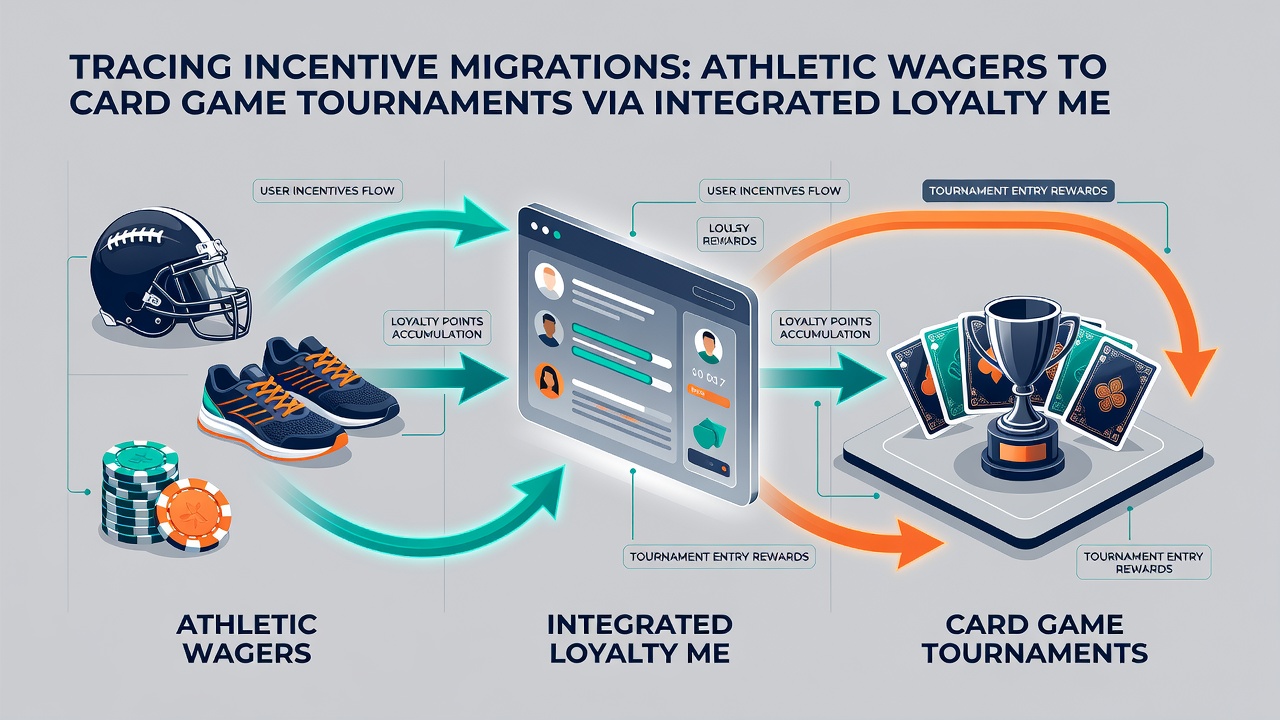
Integrated loyalty mechanisms have developed into structured pathways that allow rewards earned through athletic wagers to convert into entry privileges for card game tournaments, and observers note this process operates across multiple platforms as of July 2026. These systems track activity in one format while unlocking access in another, creating measurable flows of incentives that connect sports betting milestones with poker or table game participation.
Core Components of Loyalty Integration
Platforms implement unified accounts that assign points based on wager volume, frequency, and outcome patterns in athletic events, then apply conversion rates that translate those points into tournament buy-ins or freeroll entries. Data from industry reports shows conversion typically follows fixed ratios, such as 100 loyalty points equaling one dollar toward card game registration, although specific multipliers vary by operator and region. Researchers at institutions tracking gaming behavior have documented how these ratios encourage players to maintain consistent activity across formats rather than isolating wagers in a single category.
Points accumulation occurs through standard betting interfaces where each dollar risked generates a baseline credit, and additional multipliers activate during promotional windows or when users meet volume thresholds. Once accumulated, the credits transfer through an internal ledger that updates in real time, allowing immediate application to tournament schedules without separate funding steps. Those who study these ecosystems observe that the transfer process reduces friction between sports and card environments, which in turn sustains longer engagement cycles.
Observed Migration Patterns in Mid-2026
Figures compiled through platform analytics reveal that a significant portion of loyalty redemptions in card tournaments originates from prior sports wagering activity, with transfer volumes increasing during major athletic calendars. In July 2026, data indicates steady cross-format movement as users complete summer sports seasons and shift focus toward poker series that align with the same loyalty tiers. This pattern emerges because integrated systems automatically recognize accumulated credits regardless of their source, enabling seamless redirection toward upcoming card events.
Geographic differences appear in how operators structure these migrations, with North American platforms often linking points to both professional leagues and regional card rooms, whereas European operators apply similar mechanics across virtual and live tournament formats. Reports from the American Gaming Association highlight how these regional adaptations reflect local regulatory frameworks while maintaining core transfer functionality. Observers note that users frequently monitor progress bars that display remaining requirements for tournament qualification, which further reinforces the migration from one activity type to another.
Technological Infrastructure Supporting Transfers
Backend systems rely on centralized player databases that synchronize activity logs across sports and card modules, ensuring points remain valid and traceable throughout the migration. API connections between wagering engines and tournament registration portals execute transfers within seconds, and operators update these connections regularly to accommodate new game types or rule adjustments. Studies from the University of Nevada's International Gaming Institute have examined how such infrastructure maintains audit trails that satisfy compliance requirements while preserving user access across formats.
Users interact with these mechanisms through mobile and desktop dashboards that display available conversion options alongside current point balances. Notifications alert participants when thresholds for card tournament eligibility are reached, prompting direct navigation to registration pages. This design keeps the migration process visible and manageable, which analysts find contributes to higher completion rates for transfers initiated from athletic wagers.
Regulatory Context and Compliance Factors
Regulatory bodies in multiple jurisdictions require operators to document loyalty point origins and transfer destinations to prevent unauthorized exchanges or money laundering risks. The Nevada Gaming Control Board, for instance, mandates detailed reporting on cross-format redemptions, and similar oversight exists through the Ontario Lottery and Gaming Corporation in Canada. These requirements shape how platforms structure their integration, often resulting in automated flags that pause transfers exceeding predefined limits until manual review occurs.
Compliance teams monitor migration volumes to ensure they align with responsible gaming standards, and operators adjust conversion rates periodically based on regulatory guidance. Data from the European Gaming and Betting Association indicates that transparent logging of incentive flows has become standard practice, allowing authorities to verify that points derived from athletic wagers serve legitimate tournament access rather than circumventing deposit rules.
Conclusion
The mechanisms that trace incentive migrations from athletic wagers to card game tournaments continue to evolve through integrated loyalty systems that prioritize traceability and real-time updates. As platforms refine conversion processes and regulatory frameworks adapt, the documented flows between these formats provide clear evidence of how loyalty infrastructure connects distinct gaming categories without requiring separate accounts or funding streams. Observers tracking these developments in July 2026 report consistent patterns that reflect both technological capability and compliance priorities across regions.